
Understand the sky, then turn it into a shot
Start with Sun–Moon geometry, then use interactive photography labs to turn focal length, exposure, focus, time and optical trade-offs into field decisions.
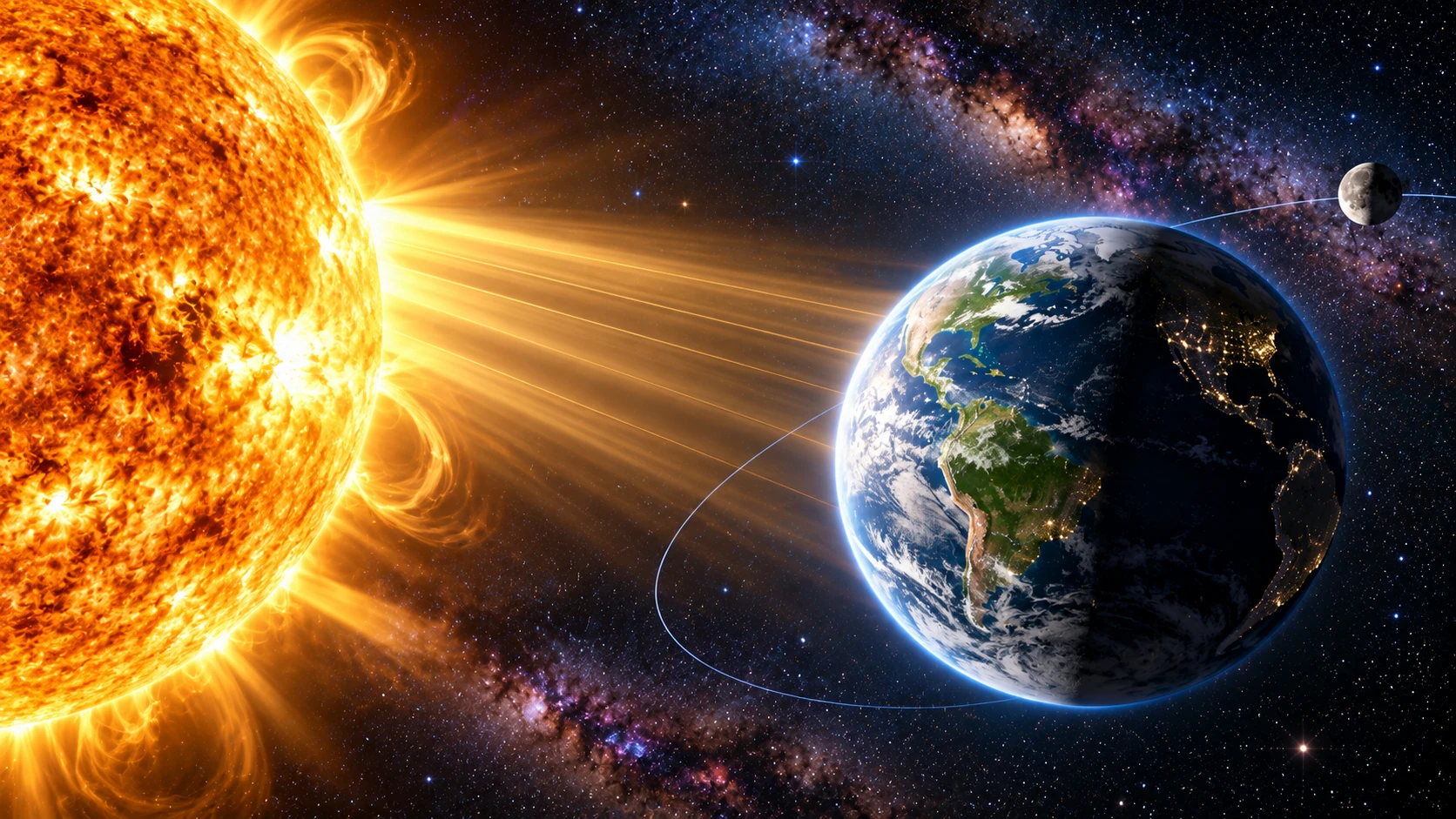
See how axial tilt and orbit change solar declination, day length and rise/set directions.
Use season and solar geometry when planning light and direction.Explore02Moon orbit and phases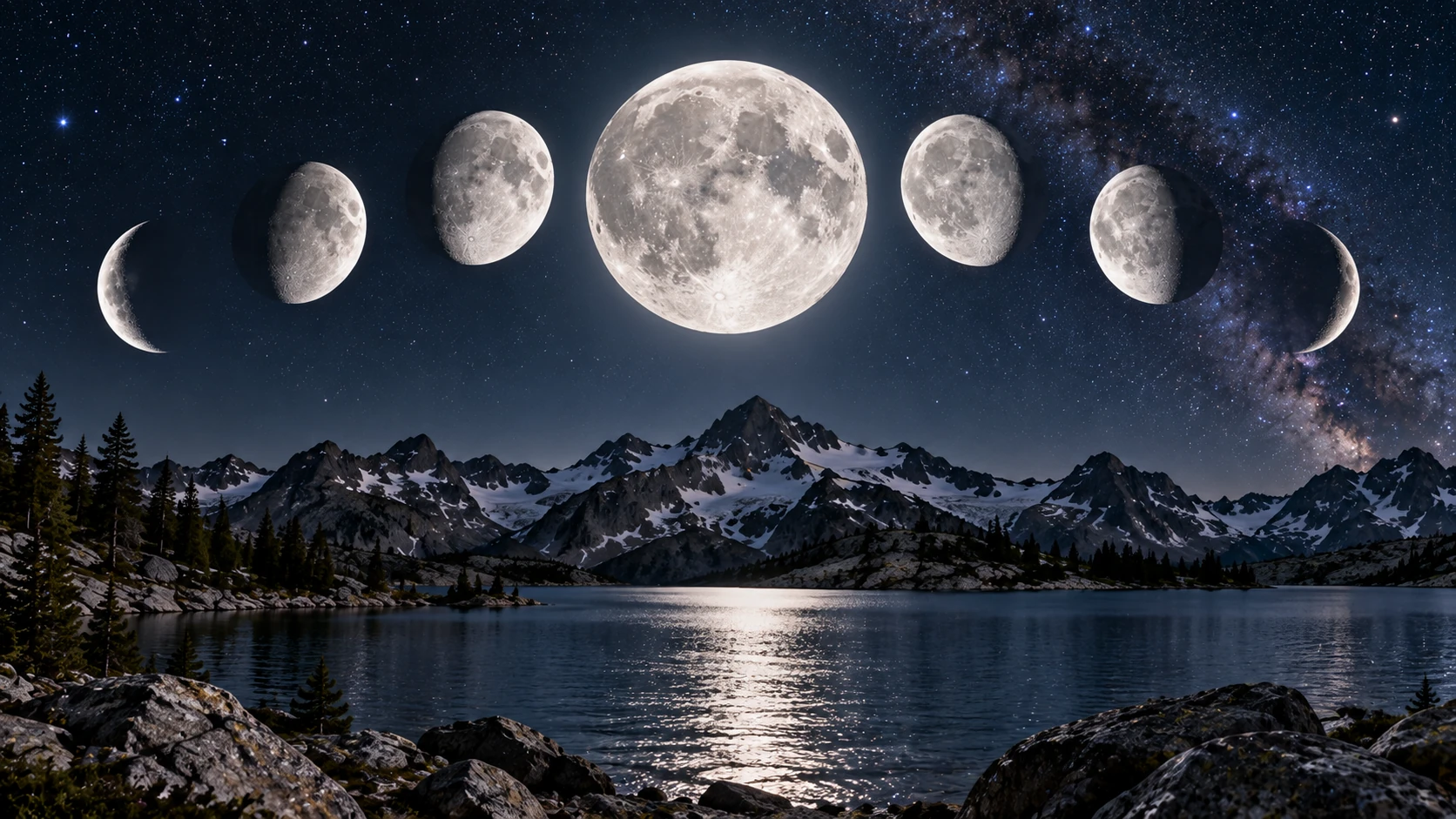
Connect lunar phase, orbit and changing moonrise time to the sky you photograph.
Understand when moonlight helps, interferes, or becomes the subject.Explore03Light, reflection and shadows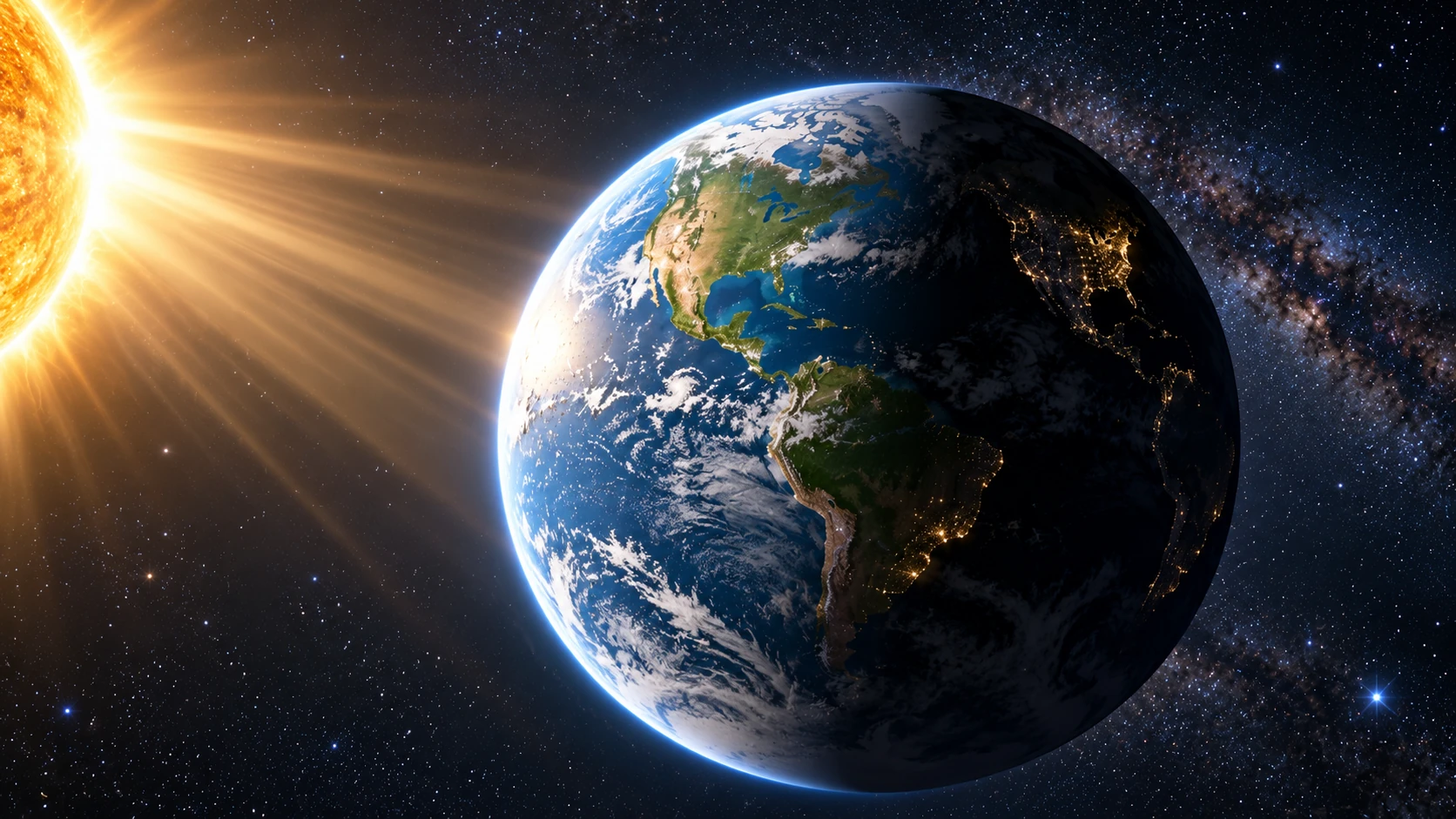
Separate direct sunlight, reflected moonlight and eclipse shadows.
Build the light model behind twilight, moonlight and eclipses.Explore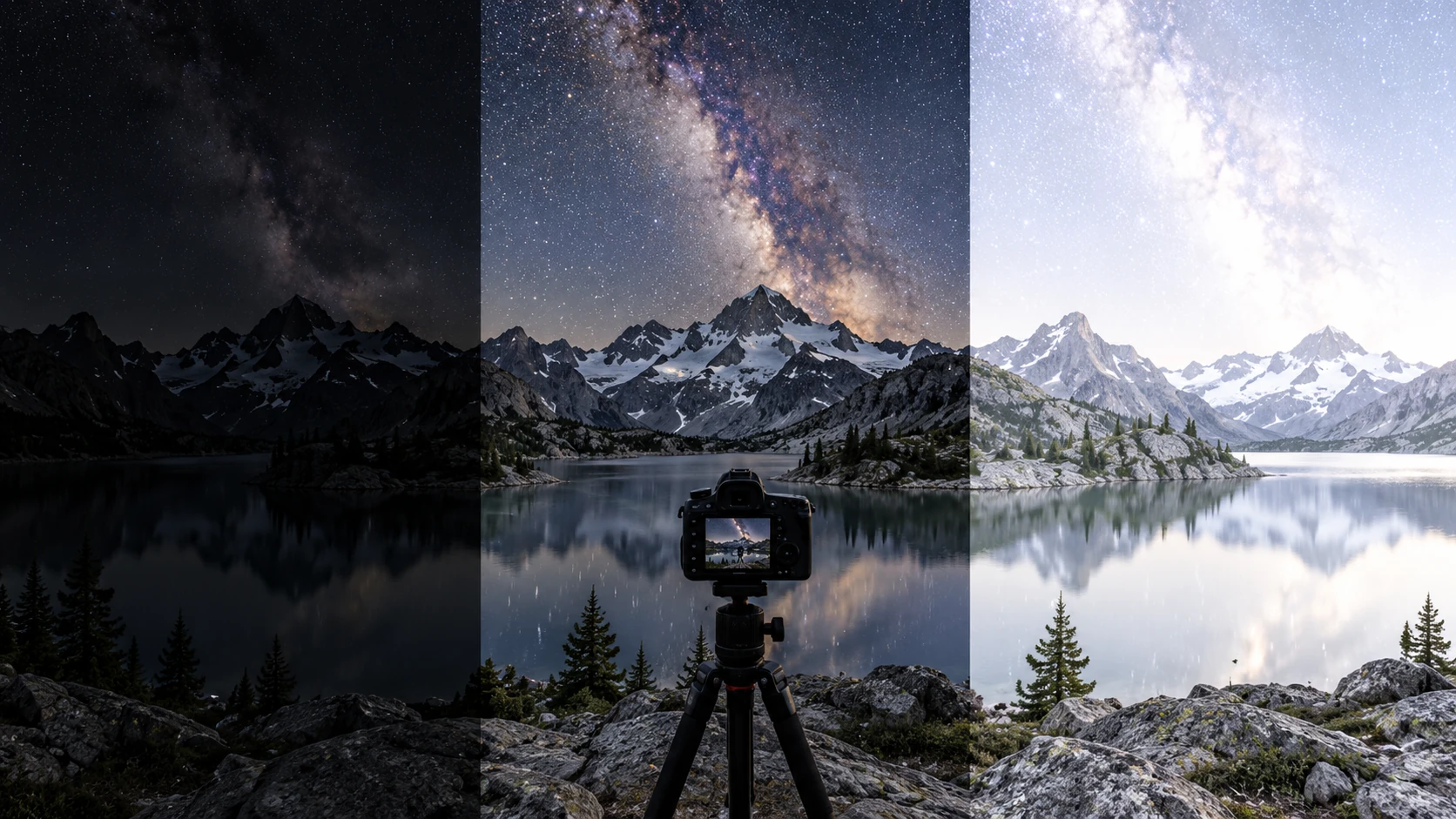
Balance focal length, shutter time, aperture and ISO while estimating star motion in pixels.
Choose a starting exposure, then verify stars and histogram in the field.Open lab05Foreground + stars: focus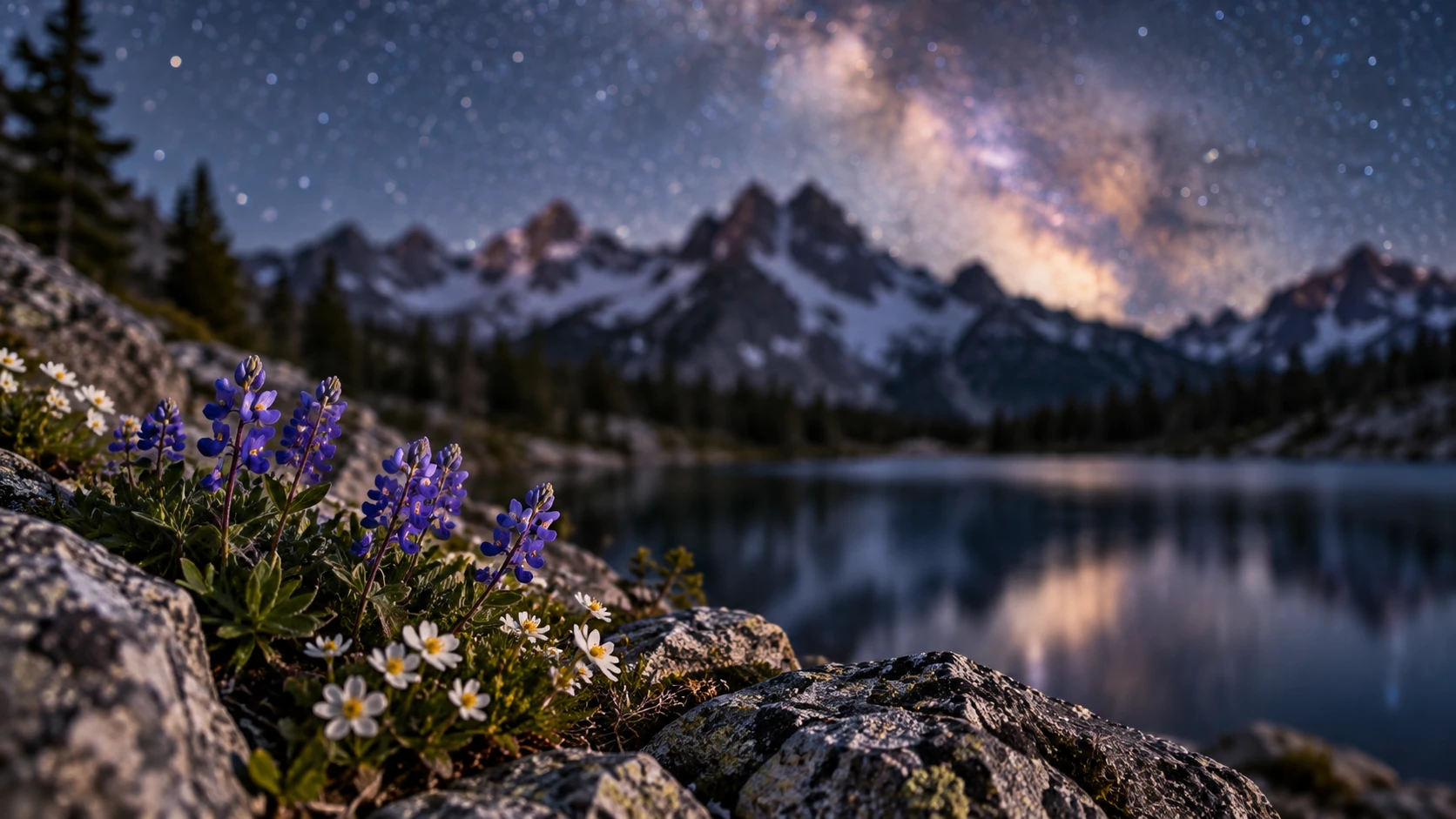
Explore hyperfocal distance, near/far limits and whether both foreground and infinity are covered.
Know when one focus distance is insufficient and focus stacking is safer.Open lab06Focal length, FOV & Moon size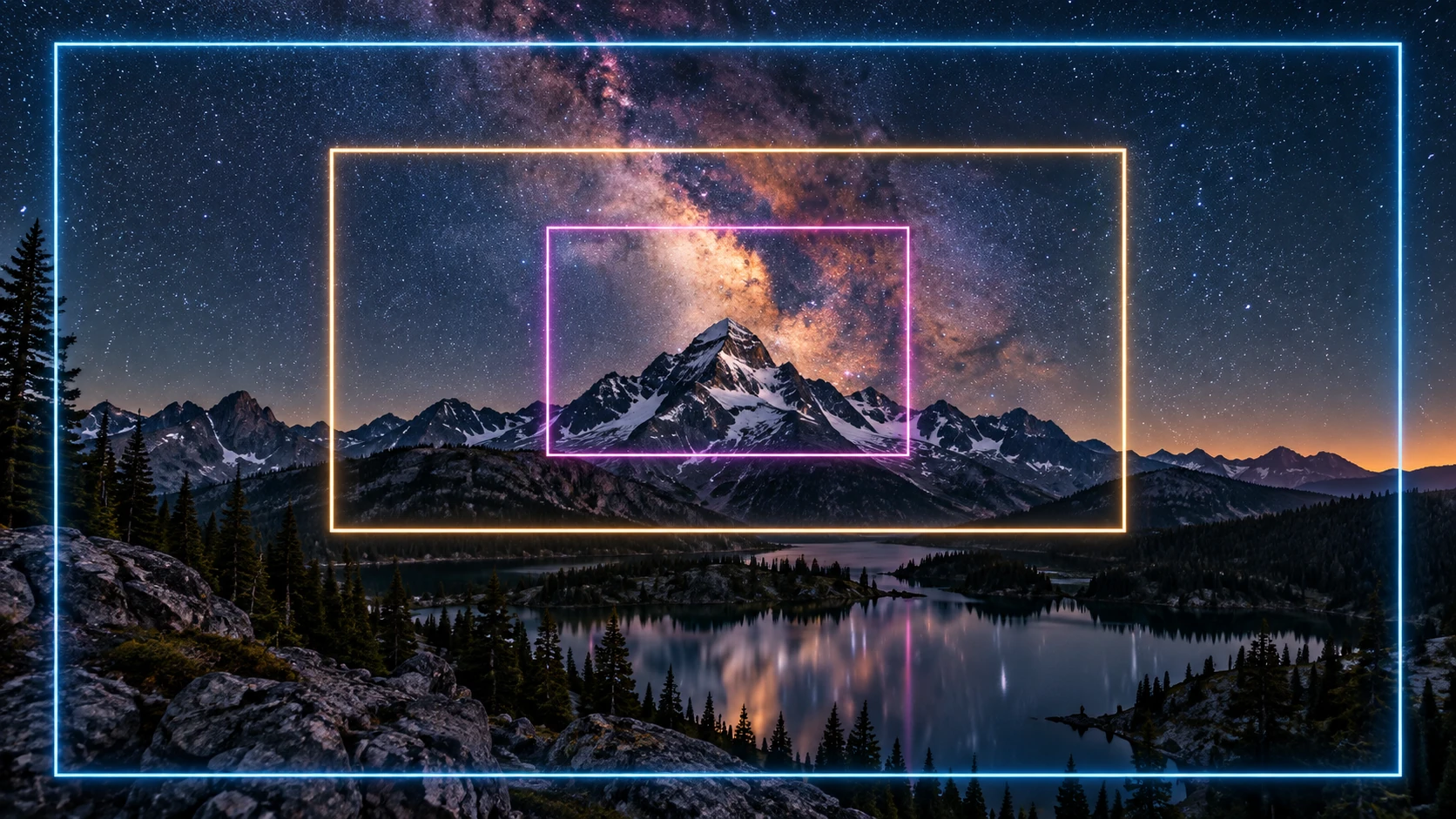
Compare sensor size, focal length and the Moon’s changing angular diameter.
Pre-visualize whether the Moon is context or the dominant subject.Open lab07Star trails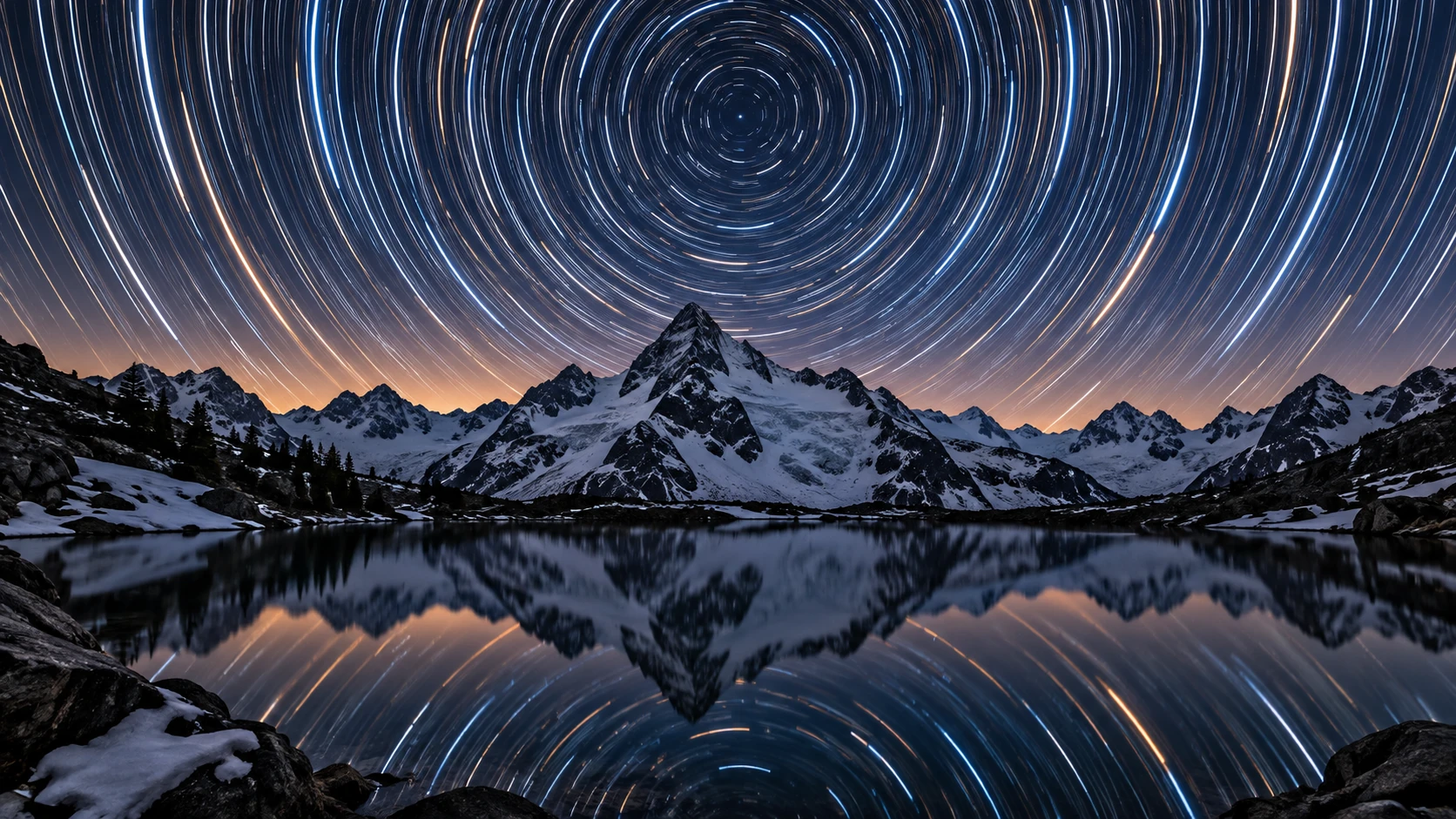
Turn total capture time, frame cadence and latitude into trail geometry.
Plan arc length, celestial-pole placement and stacking cadence.Open lab08Twilight ND long exposure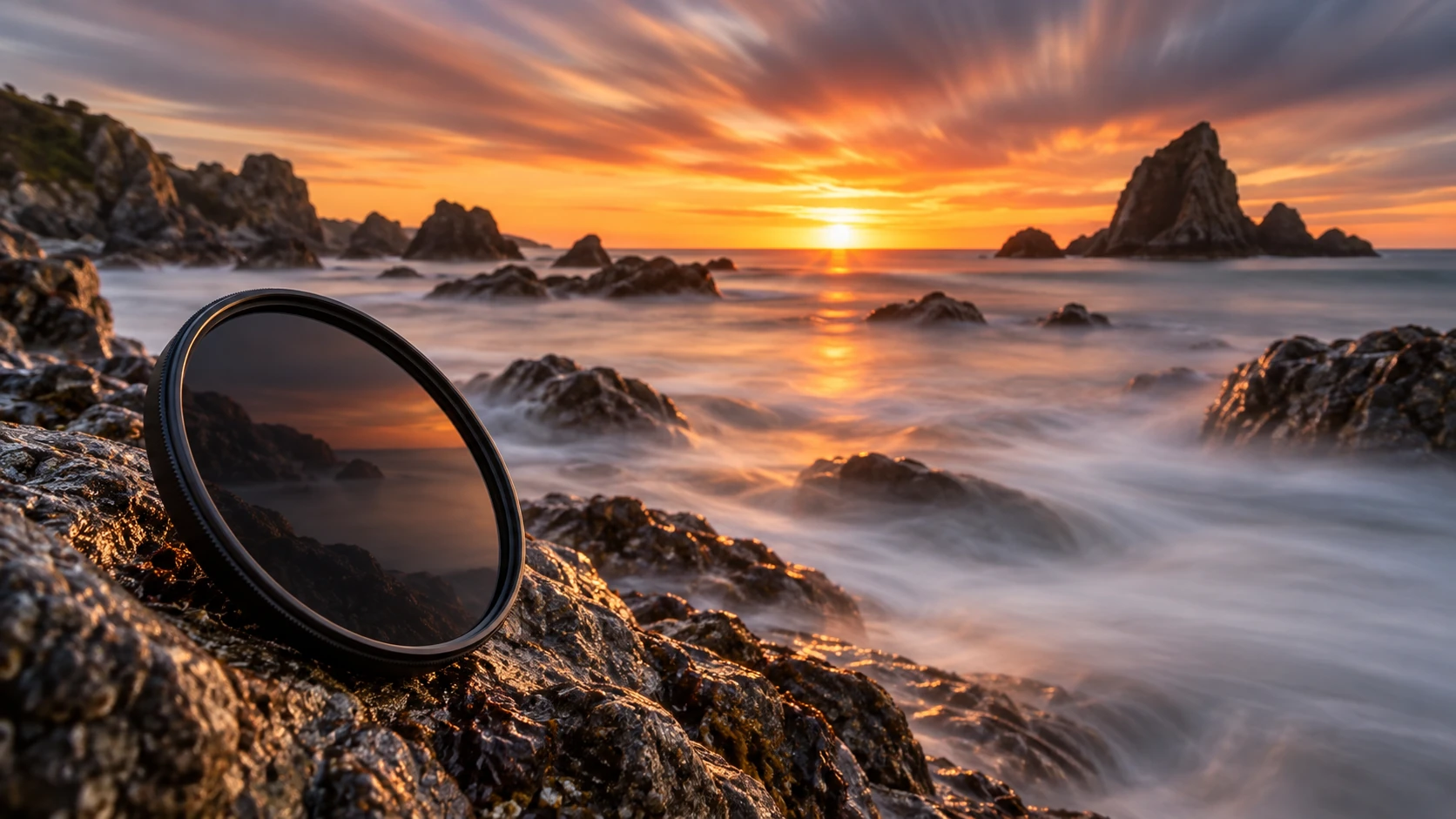
Combine a measured base shutter, ND stops and solar altitude without treating twilight as an exposure recipe.
Know when ND helps motion blur and when darkness makes it counterproductive.Open lab09Twilight & solar altitude
Move the Sun through civil, nautical and astronomical twilight and connect each stage to usable natural light.
Plan golden hour, blue hour and the transition into a genuinely dark astronomical sky.Open lab10Milky Way core planner
Move UTC time and observing coordinates to estimate Galactic-center altitude, azimuth and solar darkness.
Find when the core clears the horizon and the highest core position during astronomical night.Open lab112026 eventsMeteor shower planner
Move time and location to see radiant altitude and direction while keeping ZHR separate from actual camera yield.
Choose useful radiant geometry, then judge Moon interference and sky conditions before a trip.Open lab
Move scene contrast, usable sensor range and exposure placement.
See why exposure compensation cannot fit a scene wider than the capture window.Open lab13Diffraction & starbursts
Compare Airy-disc size with pixel pitch and separate diffraction softness from aperture-blade rays.
Choose aperture with a clearer view of the light-versus-detail trade.Open lab14Polarizer: night vs twilight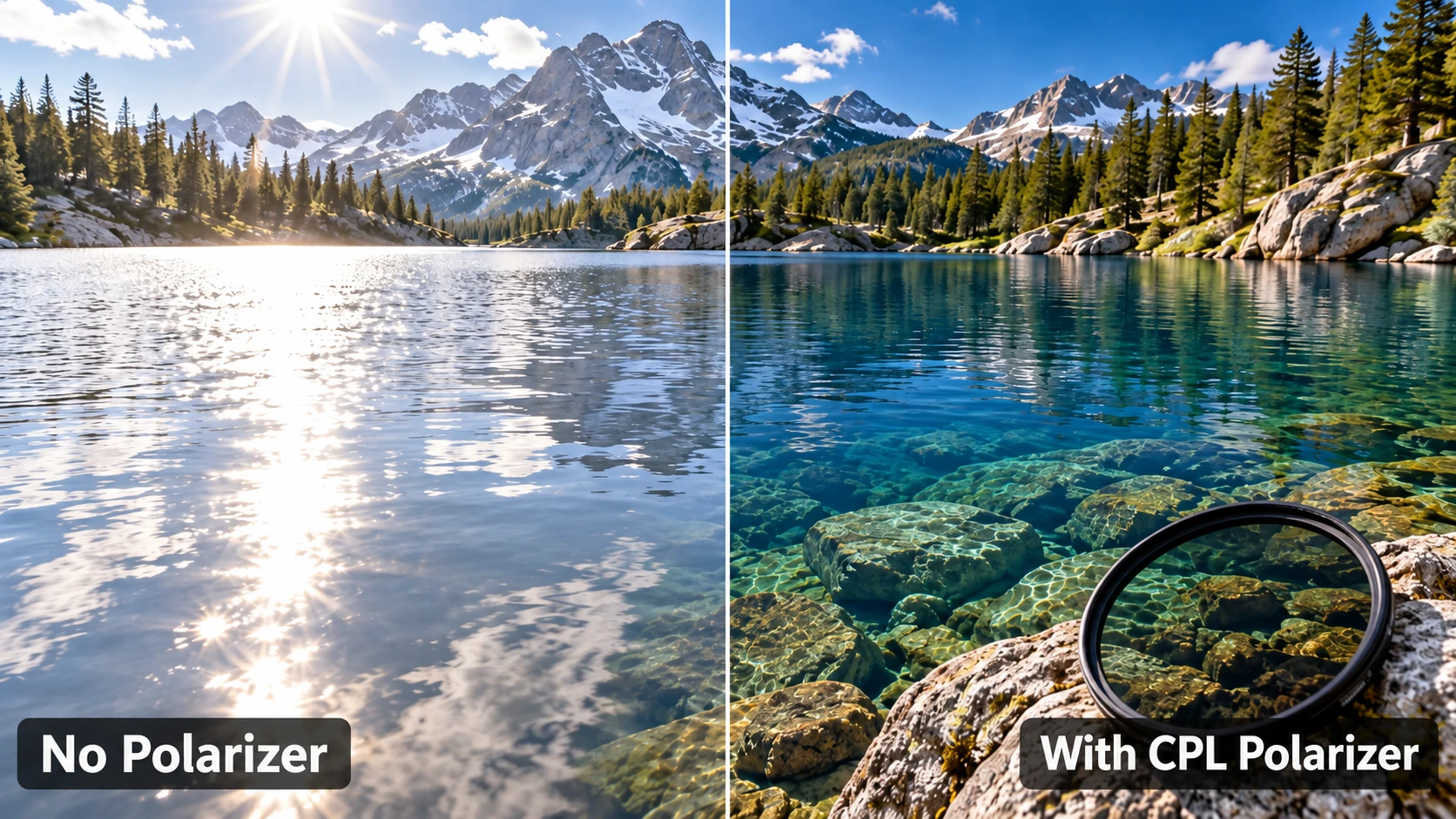
Use Malus’s law to see when polarization changes a reflection and when a CPL only costs faint-star signal.
Avoid losing photons on the Milky Way without a specific polarized-light reason.Open labUse Viewer for real bearings and sky conditions, or Planner to find an alignment date and location.